

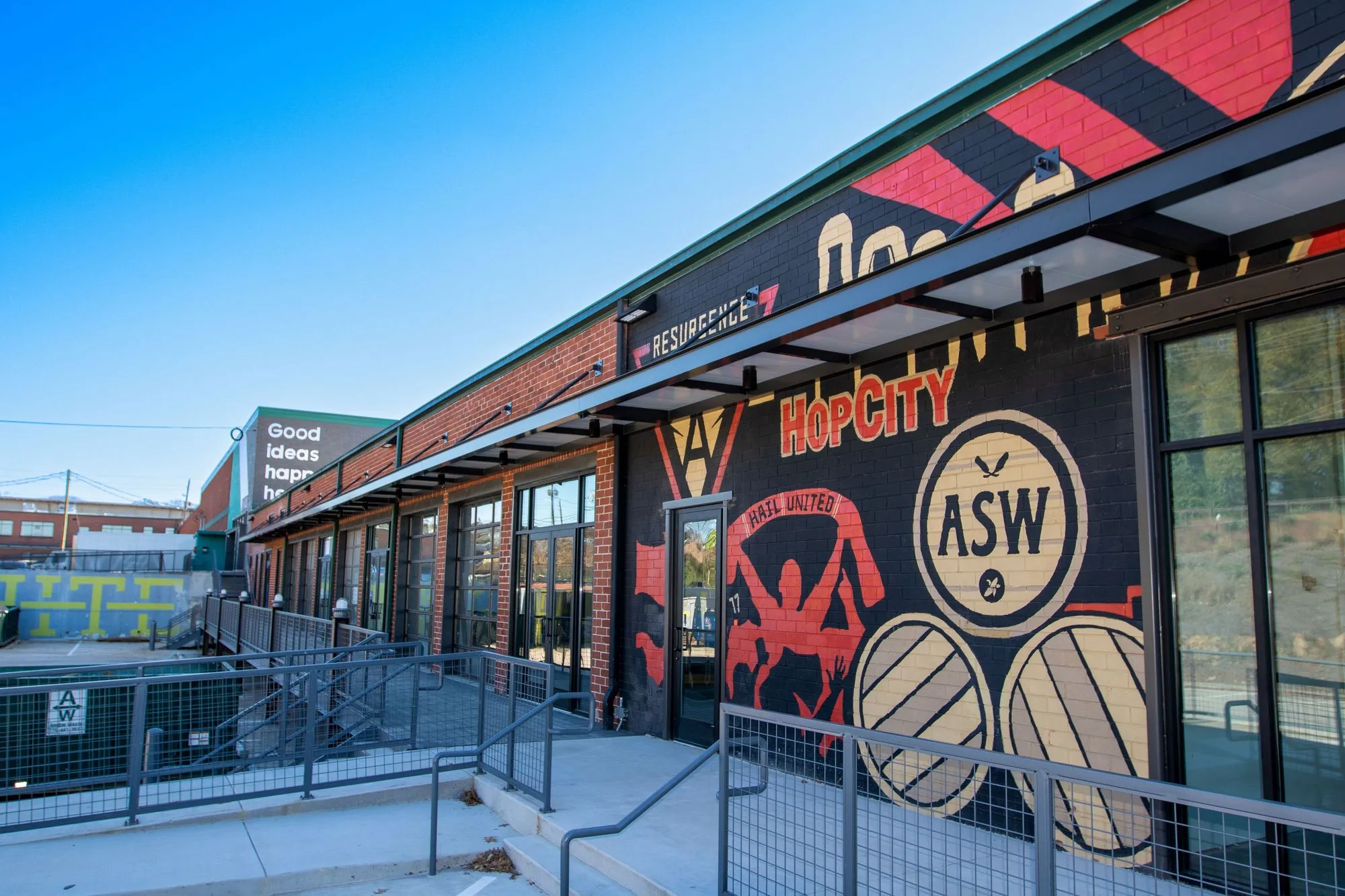
Commercial buildings are not only functional spaces—they also reflect a brand’s image and professionalism. One practical yet aesthetic feature that serves both purposes is the commercial awning. These structures provide shade, protect entrances, and create a visually appealing exterior that attracts customers. Beyond their design impact, commercial awnings offer energy efficiency, weather protection, and long-term durability, making them a valuable investment for businesses of all sizes.
What Are Commercial Awnings?
A commercial awning is a covering attached to the exterior of a building, usually over windows, doors, or outdoor seating areas. They are constructed from a variety of materials, including fabric, metal, and vinyl, and are designed to provide shelter from sun, rain, and other weather elements.
Commercial awnings are commonly used in:
- Retail storefronts
- Restaurants and cafes
- Office entrances
- Hotels and hospitality spaces
- Warehouses and industrial facilities
By combining practicality with aesthetics, awnings enhance the overall functionality and appearance of commercial spaces.
Types of Commercial Awnings
Businesses can choose from several types of commercial awnings depending on their functional needs and design preferences:
- Fixed Awnings
Permanently installed, providing consistent shade and protection. They are durable and require minimal maintenance.
- Retractable Awnings
Can be extended or retracted as needed, offering flexibility for changing weather conditions and seasonal use. - Window Awnings
Smaller in size, installed above windows to reduce glare, improve energy efficiency, and protect interior furnishings. - Entrance Awnings
Highlight entry points while providing shelter for customers and employees. - Custom-Designed Awnings
Tailored to a business’s branding and architectural style, these offer unique visual appeal and functional benefits.
Benefits of Commercial Awnings
Commercial awnings provide a combination of practical and aesthetic advantages that contribute to business success.
1. Weather Protection
Awnings shield building entrances, windows, and outdoor spaces from rain, snow, and harsh sunlight. This protection extends the life of exterior materials and reduces maintenance costs.
2. Energy Efficiency
By blocking direct sunlight, awnings reduce interior heat gain, lowering air conditioning costs during hot seasons. This energy-saving feature benefits both commercial and environmental sustainability.
3. Enhanced Curb Appeal
A well-designed awning improves the exterior appearance of a business. Bright, branded, or uniquely styled awnings make commercial spaces more inviting, helping attract and retain customers.
4. Branding and Signage Opportunities
Commercial awnings can be customized with a company logo, colors, or messaging. This not only identifies the business but also reinforces brand recognition in the community.
5. Outdoor Space Utilization
Awnings create shaded outdoor areas for customer seating or display purposes, allowing businesses to expand usable space without costly construction.
Materials and Durability
Commercial awnings are built from materials designed to withstand weather and daily wear. Popular materials include:
- Fabric Awnings: Made from high-quality acrylic or polyester fabrics; lightweight, customizable, and available in various colors and patterns.
- Metal Awnings: Made from aluminum or steel; extremely durable, resistant to wind and rain, and often used in industrial or urban settings.
- Vinyl Awnings: Waterproof, easy to clean, and ideal for areas with frequent exposure to sunlight or moisture.
Choosing the right material ensures longevity, minimal maintenance, and consistent performance.
Maintenance of Commercial Awnings
Proper maintenance extends the lifespan of commercial awnings and keeps them visually appealing. Routine care includes:
- Cleaning fabric or vinyl surfaces to remove dust, debris, and mildew
- Inspecting frames and support structures for rust or damage
- Lubricating retractable mechanisms, if applicable
- Replacing worn or torn materials promptly
Regular upkeep prevents costly repairs and maintains the professional appearance of the building.
Design Considerations
When selecting commercial awnings, businesses should consider:
- Architectural style: Ensure the awning complements the building’s design.
- Brand identity: Incorporate company colors and logos for cohesive branding.
- Functionality: Choose between fixed, retractable, or custom options depending on usage needs.
- Durability: Consider local weather conditions and material longevity.
Balancing aesthetics and function ensures that the awning serves both practical and visual purposes.
Why Commercial Awnings Matter
Commercial awnings are more than decorative elements; they provide practical solutions for businesses. By offering shade, weather protection, and enhanced curb appeal, awnings contribute to improved customer experiences, reduced energy costs, and long-term property value.
Commercial awnings are a strategic investment that supports business operations, promotes brand identity, and enhances public perception. Well-maintained awnings signal professionalism and care, which can influence customer trust and engagement.
Conclusion
For businesses seeking functional, durable, and visually appealing solutions for their exterior spaces, commercial awnings offer a versatile and valuable option. From protecting against the elements to promoting brand identity and energy efficiency, commercial awnings provide benefits that go beyond aesthetics.
Careful selection of materials, design, and maintenance ensures that these structures serve businesses effectively for years to come, making them a smart and practical addition to any commercial property.