

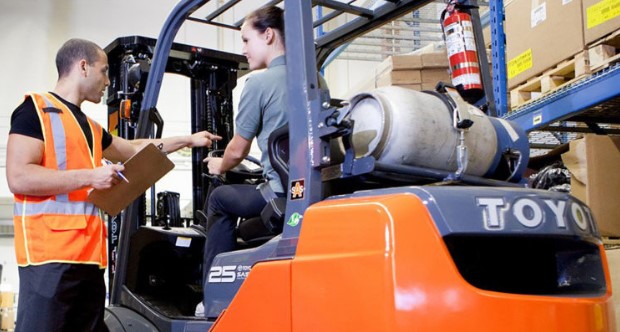
Forklifts are essential machines in many workplaces, from warehouses to construction sites. Operating them requires skill, focus, and safety awareness. This is where forklift training becomes important. With proper training, you can become a certified operator efficiently and safely, opening doors to new career opportunities.
Understanding Forklift Training
Forklift training is a structured program that teaches you how to operate a forklift safely and effectively. Training covers not only the technical skills of driving and maneuvering the machine but also essential safety rules. Trainees learn how to handle loads, navigate tight spaces, and inspect forklifts before use. By participating in forklift training, you gain the knowledge needed to work in a variety of industrial settings without putting yourself or others at risk.
The Importance of Certification
Being a certified forklift operator is more than a legal requirement; it demonstrates that you have the skills and understanding needed to operate heavy machinery safely. Certification ensures that employers trust your abilities and reduces the chances of workplace accidents. Through forklift training, you learn the exact procedures and techniques required to pass certification exams, helping you achieve this goal faster than trying to learn on the job alone.
How Training Speeds Up Learning
Forklift training programs are designed to make learning efficient. Trainers provide step-by-step guidance, combining theory with hands-on practice. You don’t just read about safety procedures—you actively apply them under expert supervision. This practical approach allows you to gain experience quickly, correct mistakes in a safe environment, and become confident in your abilities. As a result, you can reach certification readiness much faster than self-taught operators.
Safety Skills You Gain
One of the key benefits of forklift training is learning how to prevent accidents. Operators are taught how to lift and move heavy loads without tipping over, how to avoid collisions, and how to react in emergency situations. Training also covers regular maintenance checks and understanding warning signals. These skills not only help you pass the certification but also make you a responsible operator, ensuring a safer workplace for everyone.
Understanding Different Types of Forklifts
Forklifts come in different sizes and types, including electric forklifts, counterbalance forklifts, and pallet jacks. Forklift training programs often provide exposure to multiple types of machines, giving you the flexibility to operate different models. By understanding the unique controls and handling techniques for each type, you can work in various environments and increase your employment opportunities.
Career Advantages of Training
Completing forklift training and becoming certified can significantly boost your career. Certified operators are in high demand in logistics, warehousing, manufacturing, and construction industries. Employers prefer trained operators because they can safely handle equipment and maintain workflow efficiency. With certification, you not only qualify for more jobs but may also receive better pay and promotions.
Ongoing Learning and Skill Improvement
Even after certification, forklift training encourages ongoing learning. Workplace standards and safety regulations can change, and refresher courses ensure that operators remain up-to-date. Continuous practice also helps you improve speed and precision, making you a more skilled and confident operator over time.
Conclusion
Investing time in forklift training is a smart step for anyone looking to become a certified operator quickly. It provides the knowledge, hands-on experience, and safety skills needed to operate forklifts efficiently. Beyond passing the certification exam, training ensures you are a capable and reliable professional, ready to contribute to any workplace that relies on forklifts. With proper training, you can move confidently toward certification and enjoy the career opportunities that come with it.