

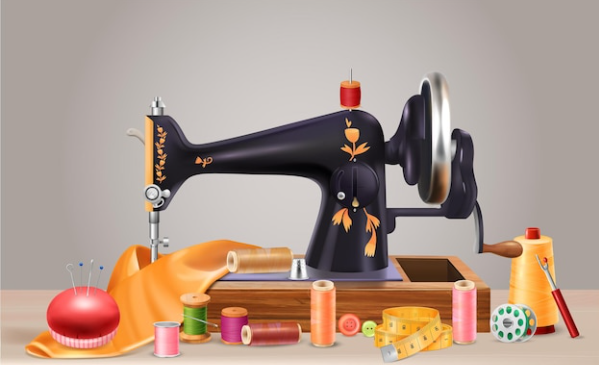
Buying a sewing machine can be an exciting yet overwhelming experience, especially with so many models and brands available today. Whether you’re a beginner, hobbyist, or professional seamstress, choosing the right sewing machine is essential to ensure efficiency, durability, and creativity. Understanding the key features to look for will help you make an informed decision and find a machine that suits your sewing needs.
1. Types of Sewing Machines
Before focusing on features, it’s important to consider the type of sewing machine you need. There are mechanical, electronic, and computerized models. Mechanical machines are simpler, reliable, and often more affordable, making them ideal for beginners.
Electronic machines offer more stitch options and better precision, while computerized machines provide advanced functions, programmable stitches, and automatic settings for professionals or avid hobbyists. Knowing your level and requirements will narrow down your options effectively.
2. Stitch Options and Functions
One of the key features to consider in sewing machines is the variety of stitch patterns available. Basic stitches such as straight stitch, zigzag, and buttonhole are essential for general sewing tasks.
Advanced models may offer decorative stitches, quilting functions, and embroidery options. Machines with multiple stitch options allow you to explore creativity and tackle a wider range of projects, from garment construction to home décor.
3. Automatic Features
Modern sewing machines come with a range of automatic features that simplify the sewing process. Look for machines with automatic needle threading, thread cutting, and tension adjustment.
These features save time and reduce frustration, especially for beginners. Some advanced models even include automatic stitch length and width settings, making it easier to achieve consistent results on any fabric type.
4. Speed Control and Motor Power
Sewing machines vary in motor power and speed control. Adjustable speed is important for precision, allowing beginners to sew slowly while practicing, and professionals to work faster on large projects.
A strong, durable motor ensures smooth stitching, even on thick or multiple layers of fabric. Choosing a machine with consistent speed control improves overall sewing quality and reduces wear on the machine.
5. Durability and Build Quality
A reliable sewing machine should be built to last. Machines with metal frames or reinforced parts offer stability and longevity, especially if you plan to sew frequently or handle heavy fabrics like denim or leather.
While plastic-bodied machines can be lightweight and portable, consider how much use the machine will get and whether durability is a priority.
6. Accessories and Attachments
Sewing machines often come with essential accessories, including presser feet, bobbins, needles, and extension tables. Additional attachments, like quilting feet or embroidery hoops, enhance versatility.
Check what comes included and whether the machine allows you to expand its capabilities with optional accessories in the future.
Conclusion
Choosing the right sewing machine requires careful consideration of types, stitch options, automatic features, speed control, durability, and accessories. Investing in a machine that fits your skill level and sewing goals ensures smooth operation, creative freedom, and long-term satisfaction. Whether you’re crafting simple repairs, fashionable clothing, or intricate projects, selecting the right sewing machines will make every stitch enjoyable and professional-looking.